Complete Beginner’s Guide to Electric Vehicles
If you’ve ever wondered what it’s like to drive an electric vehicle (EV) or whether making the switch from gas makes sense for your lifestyle you’re not alone. In 2025, more drivers than ever are considering electric vehicles, drawn by lower fuel costs, smoother driving experiences, environmental benefits, and rapidly improving technology. But for newcomers, the world of EVs can feel overwhelming: What’s the difference between a BEV and a PHEV? How do you charge at home? Will you get stranded with a dead battery?
This complete beginner’s guide to electric vehicles cuts through the confusion. Whether you’re researching your first EV, comparing models, or just curious about the future of transportation, we’ll walk you through everything you need to know from how EVs work and how much they cost, to where and how to charge, what to expect on the road, and how to choose the right model for your budget and needs. No jargon, no hype just clear, practical, and up-to-date information to help you make an informed decision.
What Is an Electric Vehicle? Understanding the Basics
At its core, an electric vehicle (EV) is any car that uses one or more electric motors for propulsion, powered by a rechargeable battery instead of a gasoline engine. But not all EVs are the same. There are three main types:
1. Battery Electric Vehicles (BEVs)
- Run 100% on electricity no gas engine.
- Examples: Tesla Model 3, Chevrolet Bolt EV, Hyundai Ioniq 5
- Must be plugged in to recharge.
- Zero tailpipe emissions.
2. Plug-in Hybrid Electric Vehicles (PHEVs)
- Have both a gas engine and a rechargeable battery.
- Can drive 20–50 miles on electricity alone, then switch to gas.
- Examples: Toyota Prius Prime, Ford Escape PHEV, Chrysler Pacifica Hybrid
- Ideal for drivers who want electric benefits but fear range limits.
3. Hybrid Electric Vehicles (HEVs)
- Not plug-in battery recharges via regenerative braking.
- Cannot drive on electricity alone for long distances.
- Examples: Standard Toyota Prius, Honda Insight
- Note: HEVs are not considered true EVs by most definitions.
For this guide, we focus on BEVs and PHEVs the vehicles that can be plugged in and offer meaningful electric-only driving.
How Do EVs Work?
Unlike gas cars with complex transmissions, exhaust systems, and oil changes, EVs are remarkably simple:
- A battery pack stores electricity.
- An inverter converts DC battery power to AC for the motor.
- The electric motor turns the wheels quietly and instantly.
- Regenerative braking recaptures energy when slowing down, feeding it back to the battery.
This simplicity translates to fewer moving parts, lower maintenance, and smoother acceleration one of the most-loved features among new EV owners.
Key Benefits of Driving an Electric Vehicle in 2025
Switching to an EV isn’t just about saving the planet it’s about improving your daily life. Here’s why millions of drivers are making the move:
💰 Lower Operating Costs
- Electricity is cheaper than gas: On average, EV drivers save $700–$1,200 per year on fuel (U.S. DOE, 2025).
- Less maintenance: No oil changes, spark plugs, timing belts, or exhaust repairs.
- Fewer brake replacements: Regenerative braking reduces wear on brake pads.
🌱 Environmental Impact
- Zero tailpipe emissions: Improves local air quality, especially in cities.
- Lower lifetime carbon footprint: Even when charged on a coal-heavy grid, EVs emit 60–68% less CO₂ over their lifetime than gas cars (Union of Concerned Scientists, 2024).
🚗 Superior Driving Experience
- Instant torque: EVs accelerate faster and more smoothly than gas cars.
- Quiet cabin: No engine noise = a serene ride.
- Low center of gravity: Batteries are mounted under the floor, improving handling and stability.
🏛️ Incentives & Tax Credits
- Federal tax credit: Up to $7,500 for new EVs that meet U.S. assembly and battery sourcing rules (Inflation Reduction Act).
- State rebates: California ($2,000), Colorado ($5,000), New York ($2,000), and more.
- HOV lane access: Many states allow solo EV drivers in carpool lanes.
Real-World Example: A California resident buying a $35,000 Chevrolet Equinox EV could pay as little as $25,500 after federal + state incentives.
How Much Do Electric Vehicles Cost in 2025?
One of the biggest myths about EVs is that they’re all expensive. While luxury models like the Lucid Air or Tesla Model S exceed $80,000, the market now offers affordable electric vehicles under $30,000—especially after incentives.
📊 EV Price Ranges (2025 MSRP)
| CATEGORY | PRICE RANGE | EXAMPLES |
| Budget EVs | $25,000–$35,000 | Chevrolet Bolt EV, Nissan Leaf, Mini Cooper SE |
| Mid-Range EVs | $35,000–$50,000 | Tesla Model 3, Hyundai Ioniq 5, Ford Mustang Mach-E |
| Luxury/Performance | $50,000–$100,000+ | Tesla Model S, Porsche Taycan, BMW i7 |
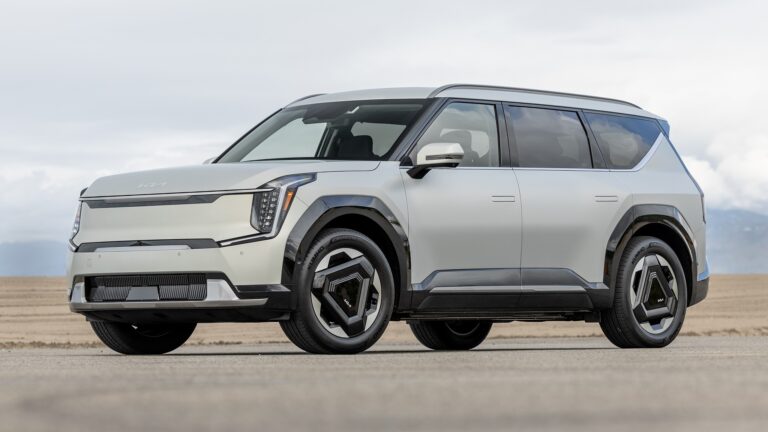
| Electric SUVs & Trucks | $40,000–$80,000 | Kia EV9, Ford F-150 Lightning, Rivian R1S |
💡 Total Cost of Ownership (TCO) Matters More Than Sticker Price
Over 5 years, most EVs cost $6,000–$10,000 less to own than comparable gas cars due to fuel and maintenance savings.
| COST FACTORY | EV (AVG.) | GAS CAR (COMPACT) |
| Fuel/Electricity | $2,500 | $7,200 |
| Maintenance | $1,800 | $4,500 |
| Repairs | $1,200 | $2,800 |
| Total (5 Years) | $5,500 | $14,500 |
Source: AAA, Edmunds, U.S. DOE (2025)
Tip: Use the U.S. Department of Energy’s Alternative Fuels Data Center TCO calculator to compare specific models.
Understanding EV Range, Charging, and Real-World Performance
“Range anxiety” is the #1 concern for new EV buyers but it’s often overblown. Let’s break down what you really need to know.
🔋 How Far Can an EV Go?
- Average 2025 EV range: 250–300 miles (EPA estimate).
- Entry-level models: 150–250 miles (e.g., Nissan Leaf: 212 miles).
- Long-range models: 300–400+ miles (e.g., Tesla Model S: 405 miles).
Reality Check: The average American drives just 37 miles per day (U.S. DOT). Even a 200-mile EV can go 5+ days without charging.
⚡ Types of EV Charging
There are three main levels:
Level 1 (120V)
- Uses a standard household outlet.
- Adds 3–5 miles of range per hour.
- Best for plug-in hybrids or overnight top-offs.
Level 2 (240V)
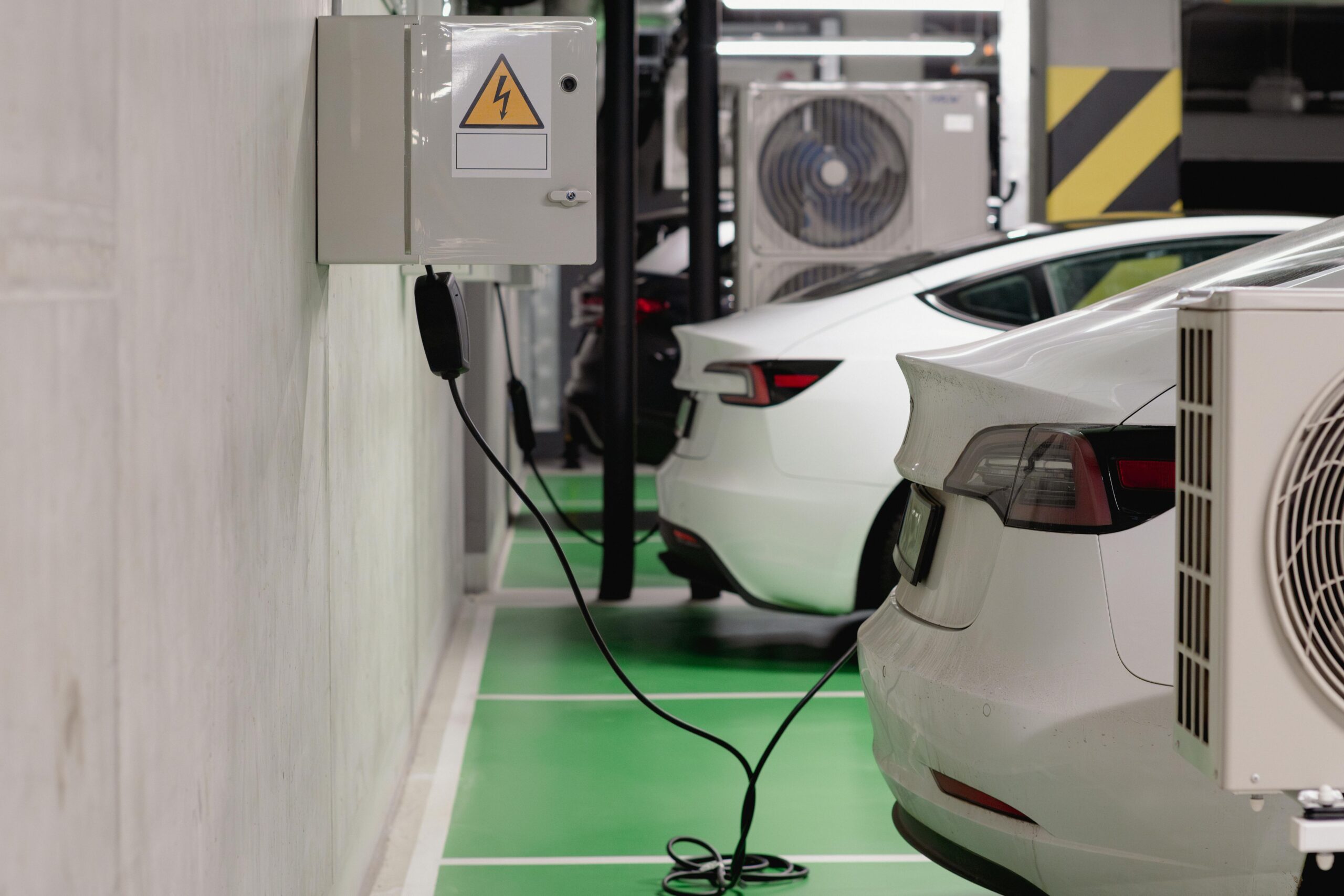
- Requires a home charger (installed by an electrician).
- Adds 25–40 miles per hour.
- Ideal for daily use fully charges most EVs overnight.
DC Fast Charging (Level 3)
- Found at public stations (Electrify America, Tesla Supercharger, etc.).
- Adds 100–200 miles in 15–30 minutes.
- Perfect for road trips.
Good News: Over 80% of EV charging happens at home you’ll rarely need public stations for daily driving.
🔌 Do You Need a Home Charger?
- Recommended: Yes. A Level 2 charger ($400–$800 installed) transforms the experience.
- Federal tax credit: Covers 30% of charger + installation costs (up to $1,000) through 2032.
- Apartment dwellers: Ask your HOA or landlord about shared charging many states now require it.
🗺️ Public Charging Networks in 2025
Major networks include:
- Tesla Supercharger (now open to non-Teslas via adapter)
- Electrify America (VW-funded, nationwide)
- EVgo (oldest U.S. network, strong in cities)
- ChargePoint (common at workplaces and malls)
Use apps like PlugShare, A Better Routeplanner (ABRP), or your car’s built-in nav to find stations.
Pro Tip: Most new EVs include 3 years of free charging with select networks check before you buy.
How to Choose the Right Electric Vehicle for You
With over 70 EV models available in the U.S. in 2025, narrowing your choice comes down to lifestyle, budget, and priorities.
✅ Step 1: Define Your Needs
Ask yourself:
- Daily mileage: Under 50 miles? A 200-mile EV is plenty.
- Home charging access: No garage? Prioritize models with strong public charging compatibility.
- Passenger/cargo space: Need room for kids or gear? Consider EV SUVs like the Kia Niro EV or Tesla Model Y.
- Driving style: Love tech and speed? Tesla or Polestar. Prefer simplicity? Nissan Leaf or Chevrolet Bolt.
✅ Step 2: Set a Realistic Budget
- Include incentives: A $38,000 EV may cost $30,500 after credits.
- Factor in charger costs: Add $500–$1,000 for home setup.
- Consider used: Certified pre-owned EVs (e.g., 2022–2023 models) offer huge savings.
✅ Step 3: Test Drive Multiple Models
EVs feel different—softer acceleration, quieter cabins, one-pedal driving. Try:
- Tesla Model 3 (tech-forward, great range)
- Hyundai Ioniq 5 (ultra-fast charging, retro design)
- Chevrolet Bolt EV (best value under $30K)
- Ford Mustang Mach-E (sporty SUV feel)
Don’t skip the test drive ergonomics and interface matter more than specs.
✅ Step 4: Check Battery Warranty
Look for 8–10 years / 100,000–150,000 miles coverage. Hyundai, Kia, and GM lead here.
Common Myths About Electric Vehicles Debunked
Let’s clear up misinformation that may be holding you back:
❌ Myth 1: “EVs can’t handle cold weather.”
✅ Truth: Range drops 20–30% in freezing temps but pre-conditioning (warming the battery while plugged in) mitigates this. Many EVs now include heat pumps for efficiency.
❌ Myth 2: “Charging takes forever.”
✅ Truth: At home, you “refuel” while you sleep. On road trips, 15–20 minutes at a fast charger gets you 150+ miles similar to a coffee break.
❌ Myth 3: “EV batteries die quickly.”
✅ Truth: Most lose only 1.5–2% capacity per year. After 10 years, many still have 80–90% range.
❌ Myth 4: “The grid can’t handle mass EV adoption.”
✅ Truth: Studies show the U.S. grid can support 70–80% EV adoption with smart charging and off-peak usage.
❌ Myth 5: “EVs are worse for the environment due to mining.”
✅ Truth: While mining has impacts, EVs still have a far lower lifetime carbon footprint and battery recycling is scaling rapidly.
What to Expect as a New EV Owner
Your first few weeks with an EV will feel different in a good way.
🔄 New Habits to Adopt
- Plug in every night: Like charging your phone.
- Use scheduled charging: Take advantage of off-peak electricity rates.
- Try one-pedal driving: Lift off the accelerator to slow down and recapture energy.
- Monitor range via app: Most EVs let you preheat, check charge status, and locate your car remotely.
🛠️ Maintenance Is Minimal
- Every 12 months: Tire rotation, cabin air filter, brake fluid check.
- No oil changes, transmission service, or emissions tests (in most states).
- Brake pads last longer thanks to regenerative braking.
🚨 What If You Run Out of Charge?
- Rare: Your car gives multiple warnings and reroutes to chargers.
- Roadside assistance: Most EVs include free towing to the nearest charger.
- AAA now offers mobile EV charging trucks in major cities.
The Future of Electric Vehicles: What’s Coming After 2025?
The EV revolution is just beginning. Expect:
- More affordable models: Sub-$25,000 EVs from Tesla, Ford, and GM by 2027.
- Solid-state batteries: Longer range, faster charging, safer chemistry (Toyota, Nissan piloting in 2026).
- Vehicle-to-Grid (V2G): Use your EV to power your home during outages or sell energy back to the grid.
- Autonomous features: Enhanced driver assist systems becoming standard.
Bottom Line: Buying an EV in 2025 means joining a rapidly improving ecosystem with today’s models already offering exceptional value.
Final Thoughts: Is an EV Right for You?
If you:
- Drive less than 200 miles per day
- Have access to home or reliable public charging
- Want to save money on fuel and maintenance
- Value a smooth, quiet, and responsive driving experience
…then yes an electric vehicle is likely a great fit.
You don’t need to be an environmentalist or tech geek to enjoy an EV. You just need to be ready for a simpler, cheaper, and more enjoyable way to get around.
Your Next Step:
- Use the DOE’s EV Selector Tool
- Research federal/state incentives
- Schedule 2–3 test drives
- Get a home charging quote
The future of driving is electric and it’s more accessible than ever.
Ready to Go Electric? Quick Checklist
☑ Daily drive under 200 miles
☑ Access to Level 2 home charging (or reliable public stations)
☑ Budget includes $500–$1,000 for charger/install
☑ Chose a model with strong warranty & support
☑ Verified federal/state incentive eligibility
Welcome to the EV revolution you’ll wonder why you didn’t switch sooner.