Can E-Scooters Replace Public Transport?
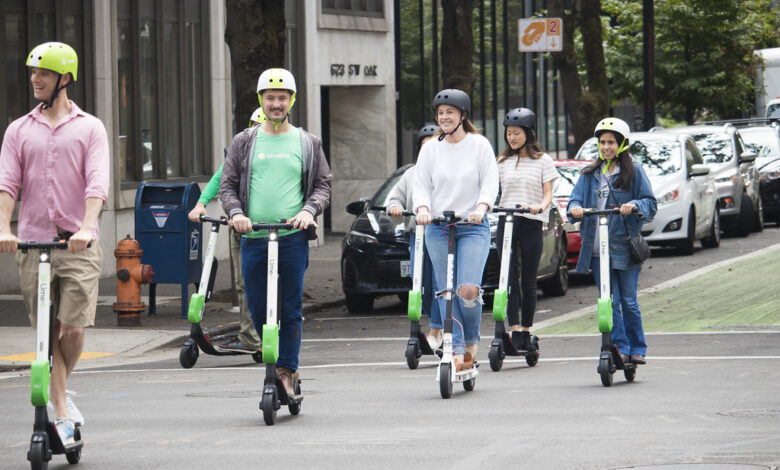
In cities worldwide, electric scooters (e-scooters) have become a common sight zipping down bike lanes, parked near subway stations, and offering a quick solution for “last-mile” commutes. But as urban transportation evolves and public transit systems face budget cuts, delays, and declining ridership, a pressing question emerges: Can e-scooters replace public transport?
The short answer is no not entirely. But for many urban dwellers, e-scooters can significantly reduce reliance on buses and trains, especially for short trips, off-peak hours, or areas with poor transit coverage. In 2025, with improved battery life, better safety features, and growing infrastructure, e-scooters are more viable than ever as a complementary or partial alternative to traditional public transportation.
This comprehensive guide explores the real-world potential of e-scooters to replace or supplement public transit. We’ll compare costs, analyze coverage gaps, examine accessibility and equity concerns, and provide data-driven insights so you can decide whether an e-scooter could realistically replace your bus pass, subway card, or ride-share habit.
The Role of E-Scooters in Urban Mobility: Beyond the Hype
E-scooters first gained popularity through dockless rental services like Lime, Bird, and Spin around 2018. While early adoption was chaotic marked by sidewalk clutter and safety concerns 2025 paints a different picture. Cities have implemented clearer regulations, riders are more experienced, and personal e-scooter ownership has surged as people seek affordable, flexible alternatives to congested or unreliable transit.
🚇 Where Public Transport Falls Short
Many urban transit systems struggle with:
- Limited coverage: Suburbs and low-density neighborhoods often lack service.
- Infrequent service: Buses running every 30–60 minutes outside peak hours.
- First/last-mile gaps: Stations may be 1–2 miles from home or work.
- Delays and overcrowding: Especially post-pandemic, with staffing shortages.
- High costs: Monthly passes in cities like NYC ($132), Chicago ($90), or San Francisco ($119).
E-scooters directly address these pain points for the right user.
🛴 How E-Scooters Fill the Gaps
- On-demand availability: Ride when you want, not on a schedule.
- Door-to-door travel: No walking to stops or transfers.
- Low operating cost: ~$0.10 per mile vs. $0.50–$1.00+ for transit (when factoring in pass amortization).
- Avoid congestion: Use bike lanes to bypass traffic.
Key Insight: E-scooters aren’t a full replacement but they excel as a first/last-mile solution or for short, off-peak trips under 5 miles.
Cost Comparison: E-Scooters vs. Public Transit in 2025
One of the strongest arguments for e-scooters is cost savings but only if used strategically.
💰 Annual Cost Breakdown (U.S. Urban Rider)
| EXPENSE | PUBLIC TRANSIT (MOUNTHLY PASS) | PERSONAL E-SCOOTER (MID-RANGE) |
| Upfront Cost | $0 | $600–$900 |
| Annual Pass | $900–$1,600 | $0 |
| Electricity | $0 | $20–$40 |
| Maintenance | $0 | $50–$100 |
| Accessories (helmet, lock) | $0 | $50 (one-time) |
| Total (Year 1) | $900–$1,600 | $720–$1,090 |
| Total (Year 2+) | $900–$1,600/year | $70–$140/year |
Break-Even Point: Most riders recoup their e-scooter cost in 6–12 months if they use it 3+ days/week.
📊 Real-World Scenarios
Case 1: Daily Commuter (4 miles each way)
- Transit: $120/month pass + 20-min walk to station = $1,440/year
- E-Scooter: $750 upfront + $80/year = $830 over 2 years
- Savings: $610 in Year 1, $1,360 by Year 2
Case 2: Occasional Rider (2x/week errands)
- Transit: $5 per trip × 100 trips = $500/year
- E-Scooter: $650 upfront + $60 = $710 Year 1, $60 Year 2
- Savings: Break-even in Year 2, then $440/year saved
Caveat: These assume reliable home charging and safe riding conditions.
Coverage, Accessibility, and Equity: Can Everyone Benefit?
While e-scooters offer freedom for many, they’re not a universal solution. Public transport serves a broader demographic and that’s by design.
🚹 Who Benefits Most from E-Scooters?
- Tech-savvy urbanites with smartphone access
- People with storage space (apartment balconies, garages)
- Riders in flat, bike-friendly cities (e.g., Austin, Portland, Miami)
- Those with moderate physical ability (able to stand for 10–20 mins)
⚠️ Who Is Left Behind?
- Seniors or people with disabilities: E-scooters require balance and mobility.
- Low-income riders: Upfront cost is a barrier (though cheaper long-term).
- Suburban/rural residents: Lack of protected bike lanes increases risk.
- Parents with children: No safe way to carry passengers.
Equity Concern: Public transit is a public good subsidized to ensure access for all. E-scooters are a private purchase, creating a two-tier system.
🌍 City Infrastructure Matters
E-scooter viability depends heavily on local infrastructure:
- Protected bike lanes: Essential for safety (only 30% of U.S. cities have them).
- Sidewalk laws: Many cities ban e-scooters on sidewalks, forcing riders into traffic.
- Weather: Rain, snow, or extreme heat limits usability in many regions.
Data Point: A 2024 NACTO study found e-scooter adoption is 3x higher in cities with >50 miles of protected bike lanes.
Environmental and Systemic Impact: Beyond Personal Convenience
Replacing public transit with e-scooters isn’t just a personal choice it has city-wide consequences.
🌱 Environmental Pros and Cons
✅ Pros:
- Lower emissions: E-scooters produce ~50g CO₂/mile vs. 150–250g for buses (when accounting for manufacturing and grid mix).
- Less road wear: Lighter weight reduces pavement degradation.
- Reduced congestion: Fewer short car trips.
❌ Cons:
- Short lifespan: Shared e-scooters last ~3–6 months; personal ones ~3–5 years.
- Battery waste: Recycling infrastructure is still developing.
- Rebalancing emissions: Rental scooters are often collected and redistributed by gas vans.
Net Impact: Personal e-scooters used long-term are clearly greener than both cars and buses per passenger-mile. Shared scooters are more ambiguous.
🚌 What Happens If Everyone Quits Public Transit?
Public transport relies on economies of scale. Fewer riders mean:
- Higher fares to cover fixed costs
- Service cuts on “unprofitable” routes
- Worse access for those who truly depend on it (elderly, disabled, car-free households)
Key Principle: E-scooters should complement not cannibalize public transit. The ideal system integrates both.
Real-World Examples: Cities Where E-Scooters Are Changing Commutes
Let’s look at how e-scooters are being used in practice.
📍 Austin, Texas
- Transit gap: MetroRail covers only 32 miles; buses are infrequent in suburbs.
- E-scooter use: 42% of personal e-scooter owners report replacing 50%+ of bus trips.
- City support: Dedicated micromobility lanes and scooter parking corrals.
📍 Portland, Oregon
- Integrated system: TriMet (transit agency) partners with Lime to offer discounted scooter rides with transit passes.
- Result: 28% increase in first/last-mile connections to light rail.
📍 Miami, Florida
- Flat terrain + warm weather: Ideal for year-round e-scooter use.
- Transit limitation: No subway; bus system is slow and fragmented.
- Outcome: E-scooter ownership grew 200% from 2022–2025, especially among young professionals.
📍 New York City
- High transit density: Subway covers most areas.
- E-scooter role: Primarily for last-mile trips from stations to apartments (e.g., from 72nd St subway to Upper West Side home).
- Challenge: Aggressive traffic and limited bike lanes deter casual riders.
Pattern: E-scooters thrive where transit is incomplete, slow, or inconvenient not where it’s robust.
Practical Tips: Can an E-Scooter Replace Your Public Transport?
Ask yourself these questions:
✅ 1. Is your typical trip under 5 miles?
E-scooters are most efficient and comfortable for short distances. Beyond 7 miles, fatigue and battery limits become issues.
✅ 2. Do you have safe routes (bike lanes or quiet streets)?
Riding in traffic without protection is dangerous. Use apps like Komoot or Google Maps (bike layer) to plan safe routes.
✅ 3. Can you store and charge the scooter securely?
Theft is a real risk. Look for models with GPS tracking and always use a heavy-duty U-lock.
✅ 4. Are you physically able to ride?
Standing for 15–20 minutes requires core strength and balance. Test before buying.
✅ 5. What’s your local weather like?
If you get 100+ days of rain or snow, an e-scooter may sit unused half the year.
Hybrid Approach: Many riders use transit for long legs and e-scooters for first/last mile the best of both worlds.
The Future: Integrated Mobility, Not Replacement
The most forward-thinking cities aren’t asking “Can e-scooters replace public transport?” they’re building integrated mobility ecosystems where multiple modes work together.
🚉 Emerging Trends in 2025:
- Mobility-as-a-Service (MaaS) Apps: Platforms like Whim or Moovit let you plan and pay for transit + e-scooter + bike in one app.
- Transit Agency Partnerships: LA Metro offers free 30-minute scooter rides with TAP card validation.
- Microtransit Hubs: Suburban stations include scooter/bike share corrals and covered parking.
- Universal Design: New e-scooters with seats (e.g., E-TWOW GT SE) aim to improve accessibility.
Vision: A seamless journey train to station, e-scooter to door without ownership or app-switching friction.
Final Verdict: E-Scooters as a Strategic Supplement, Not a Full Replacement
So, can e-scooters replace public transport?
For some people, in some cities, for some trips yes.
But as a system-wide replacement? No.
Public transportation remains essential for equity, capacity, and sustainability at scale. E-scooters, however, are a powerful tool for:
- Reducing short car trips
- Filling first/last-mile gaps
- Cutting personal transportation costs
- Increasing urban mobility flexibility
The smartest approach isn’t choosing one over the other it’s using both strategically.
Your Action Plan:
- Map your most frequent trips
- Check for safe bike/scooter routes
- Calculate your break-even point
- Start with a mid-range scooter (e.g., Segway Ninebot MAX G2, Xiaomi Pro 4)
- Keep your transit pass for rainy days or long hauls
In 2025, the future of urban mobility isn’t about replacement it’s about integration, choice, and efficiency.
Key Takeaways Checklist
☑ E-scooters save money if used 3+ days/week
☑ Best for trips under 5 miles with safe infrastructure
☑ Not accessible to all public transit remains vital
☑ Personal scooters > shared for cost and reliability
☑ Ideal as a complement to not replacement for—transit
Your commute doesn’t have to be all-or-nothing. With the right mix, you can ride smarter, cheaper, and greener.