
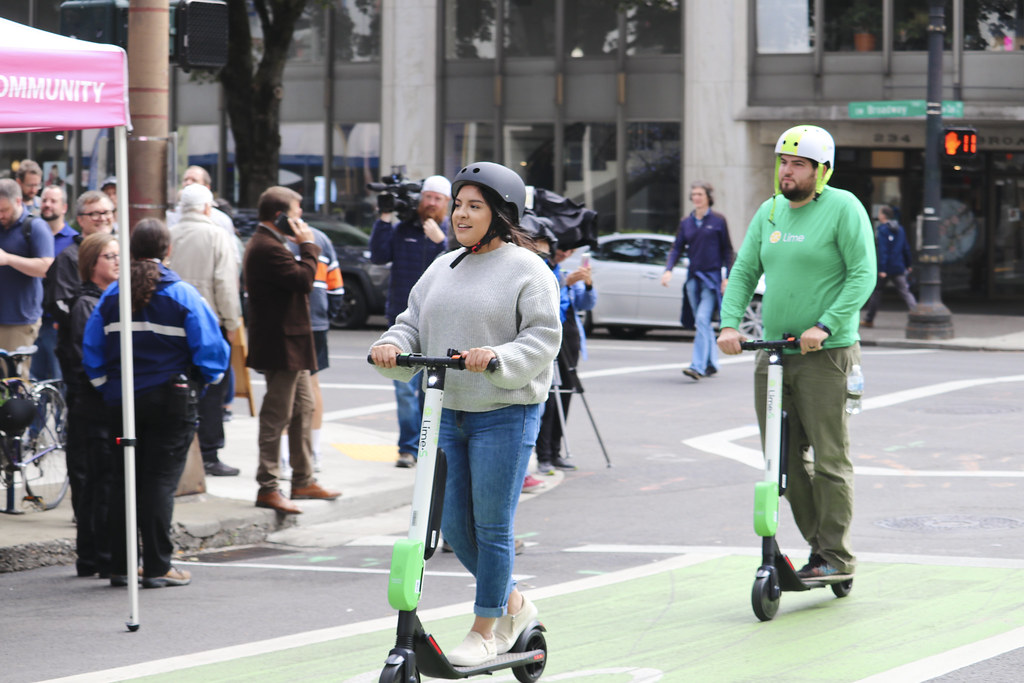
Do You Need a License for an E-Scooter?
As electric scooters (e-scooters) become a popular choice for commuting, campus travel, and short errands, one of the most common questions new riders ask is: Do you need a license for an e-scooter? The answer isn’t simple it depends on your location, the scooter’s speed, and local regulations. In some states, you can hop on a 15 mph e-scooter with no license, helmet, or registration. In others, faster models may require a driver’s license or even a motorcycle endorsement.
This comprehensive 2025 guide cuts through the confusion. We’ll break down federal and state laws across the U.S., explain how e-scooter classes affect licensing, highlight age and helmet requirements, and show you exactly where you can ride legally. Whether you own a personal e-scooter or use a rental app like Lime or Bird, understanding the rules keeps you safe, compliant, and confident on the road.
How E-Scooter Laws Work in the United States
Unlike cars or motorcycles, e-scooters are not federally regulated in the U.S. Instead, the U.S. Department of Transportation defers to individual states and often cities to set their own rules. However, most states follow a common framework based on motor power and top speed, which determines whether an e-scooter is treated like a bicycle, moped, or motor vehicle.
🛴 The Three-Class System (Adopted by 40+ States)
Most states classify e-scooters using a system similar to electric bikes:
- Class 1:
- Max speed: 15 mph
- Motor: ≤ 750W
- No license required
- Allowed on bike paths and roads (where speed limits ≤ 35 mph)
- Class 2:
- Max speed: 20 mph
- Includes throttle-only operation (no pedaling needed)
- No license required in most states
- Often restricted from sidewalks
- Class 3:
- Max speed: 28 mph
- Typically requires pedal assist (less common for scooters)
- May require helmet, license, or minimum age of 16+
Important: Most personal e-scooters sold in the U.S. (e.g., Segway, Xiaomi, Unagi) are Class 2 or under, meaning no license is needed in the vast majority of jurisdictions.
State-by-State Breakdown: Where You Need a License (or Not)
While most states exempt low-speed e-scooters from licensing, a few have unique rules. Below is a summary of key states as of 2025.
✅ States That Do NOT Require a License for E-Scooters (Class 1 & 2)
These states treat e-scooters like bicycles for riders 16+:
- California: No license; helmet required for riders under 18
- Texas: No license; allowed on roads with speed limits ≤ 35 mph
- Florida: No license; legal on sidewalks unless prohibited locally
- New York: No license; must be 16+ to ride (helmet recommended)
- Illinois: No license; banned on sidewalks in Chicago
- Colorado: No license; helmet required for all riders under 18
- Washington: No license; must yield to pedestrians
⚠️ States With Partial or Conditional Requirements
- Arizona: No license for scooters ≤ 20 mph, but cities can impose restrictions
- Georgia: No license, but riders must be 16+ and wear a helmet
- Michigan: E-scooters ≤ 20 mph don’t require a license, but must have brakes and lights
- Pennsylvania: Technically, e-scooters are not explicitly legal statewide but many cities (e.g., Philadelphia) allow them via local ordinance
❌ States With Stricter Rules
- Hawaii: Requires a valid driver’s license to operate any motorized scooter
- North Dakota: E-scooters over 15 mph may be classified as mopeds, requiring registration and a license
Key Insight: Even in license-free states, local cities can impose additional rules. Always check your municipality’s code.
Age, Helmet, and Safety Requirements by State
Licensing isn’t the only legal consideration. Most states impose age minimums and helmet rules, especially for younger riders.
🧒 Minimum Age to Ride an E-Scooter
| STATE | MINIMUM AGE |
| California | 16 |
| Texas | 16 |
| Florida | 16 |
| New York | 16 |
| Illinois | 16 |
| Colorado | 16 |
| Arizona | 16 |
| Georgia | 16 |
| Hawaii | 18 (with license) |
Note: Rental e-scooter apps (Lime, Bird, etc.) typically require users to be 18+ due to liability insurance, even if state law allows younger riders.
🪖 Helmet Laws (2025)
- Required for all riders: None (as of 2025)
- Required for riders under 18: California, Florida, Colorado, Georgia, Oregon, Washington
- Recommended but not required: Most other states
Safety Tip: Even if not required, always wear a CPSC-certified helmet. E-scooter injuries often involve head trauma (NHTSA, 2024).
Where Can You Legally Ride an E-Scooter?
Just because you don’t need a license doesn’t mean you can ride anywhere. Most states restrict e-scooter use based on infrastructure.
🚸 Common Riding Restrictions:
- Sidewalks: Banned in California, Washington, D.C., Chicago, Austin, and many downtown areas. Allowed in Florida and Arizona unless posted otherwise.
- Bike Lanes: Permitted in all states that allow e-scooters.
- Roads: Allowed on streets with speed limits ≤ 25–35 mph, depending on the state.
- Parks & Trails: Often prohibited unless designated as multi-use paths.
📍 City-Specific Examples:
- Los Angeles: No sidewalk riding; max 15 mph; helmet required under 18
- New York City: Allowed in bike lanes and streets (not sidewalks); must be 16+
- Miami: Sidewalk riding permitted; no helmet law for adults
- Denver: Must use bike lanes when available; no riding in pedestrian plazas
Pro Tip: Use apps like Lime or Bird they often include geo-fenced no-ride zones and local rule reminders.
What About High-Speed or Modified E-Scooters?
While most consumer e-scooters top out at 15–20 mph, some performance models (e.g., Dualtron, Kaabo) can exceed 40–60 mph. These are not covered by standard e-scooter laws.
⚠️ Legal Status of High-Speed E-Scooters:
- If your scooter exceeds 20–25 mph, it may be classified as a moped or motorcycle.
- This can trigger requirements for:
- Driver’s license or motorcycle endorsement
- Vehicle registration and insurance
- License plates and mirrors
- DOT-approved tires and lights
Example: In California, any motorized scooter over 15 mph with a seat is considered a motor-driven cycle, requiring an M1 license and registration.
🔧 Modified Scooters Are Risky
- Removing speed limiters or adding larger batteries may void your warranty and invalidate insurance.
- If involved in a crash, you could be cited for operating an unregistered motor vehicle.
Recommendation: Stick to factory-spec scooters ≤ 20 mph to stay within legal exemptions.
Do Rental E-Scooters Have Different Rules?
Yes—rental e-scooters (from Lime, Bird, Spin, etc.) are subject to both state law and local operating agreements.
📱 How Rental Rules Work:
- Cities issue permits to scooter companies with specific conditions:
- Speed limits (often capped at 12–15 mph in dense areas)
- No-ride zones (parks, campuses, historic districts)
- Parking requirements (must use designated corrals)
- Users must agree to terms in the app, including:
- Age verification (usually 18+)
- Helmet acknowledgment
- One rider per scooter
🚨 Enforcement:
- Geofencing: Scooters slow down or shut off in restricted zones.
- Fines: Riders can be ticketed for sidewalk riding or double-riding.
- Account suspension: Repeated violations ban you from the platform.
Good to Know: Rental scooters are almost always Class 1 or 2, so no license is needed—but you must follow city-specific rules.
Insurance and Liability: What Happens If You Crash?
Even without a license, you can be held liable for accidents.
🛡️ Do You Need Insurance for an E-Scooter?
- Not required by any state for personal e-scooters under 750W.
- However, homeowners or renters insurance may cover liability if you injure someone.
- Some companies (e.g., Sundays, Markel) offer standalone e-scooter insurance ($100–$200/year) covering:
- Theft
- Collision damage
- Third-party liability
🚑 If You’re Injured:
- Health insurance typically covers medical costs.
- If hit by a car, the driver’s auto insurance may cover your expenses.
- Rental scooter crashes: Most apps include limited injury protection (check terms).
Warning: Riding without a helmet or on a prohibited sidewalk may reduce or void your claim in some states.
International Comparison: How the U.S. Stacks Up
For context, here’s how U.S. e-scooter laws compare globally:
| COUNTRY | LICENSE REQUIRED? | MAX SPEED | HELMET LAW |
| United States | No (for ≤20 mph) | 15–20 mph | Varies by state |
| United Kingdom | Yes (provisional license + insurance) | 15.5 mph | Recommended |
| Germany | No | 12.4 mph | Required for riders under 14 |
| France | No | 15.5 mph | Required in cities |
| Canada | Varies by province | 20–25 km/h (~12–15 mph) | Often required |
Takeaway: The U.S. is among the most permissive countries for low-speed e-scooter use.
Future Trends: Will Licensing Change?
As e-scooter adoption grows, regulations are evolving:
🔮 Emerging Trends (2025–2027):
- Mandatory lighting and brakes: Already required in CA, NY, and TX; likely to spread.
- Speed governors: Cities may require all scooters to cap at 12 mph in business districts.
- Rider education: Some cities (e.g., Portland) are piloting online safety courses for rental users.
- Federal guidelines: The NHTSA may propose national standards by 2026 to reduce state-by-state confusion.
Outlook: Licensing for standard e-scooters remains unlikely but safety and infrastructure rules will tighten.
Final Verdict: Do You Need a License for an E-Scooter?
In most of the U.S., the answer is no as long as your e-scooter:
- Has a top speed of 20 mph or less
- Is used on bike lanes or low-speed roads
- Is ridden by someone 16 years or older
- Complies with local city ordinances
However, always verify your state and city rules before riding. A quick search for “[Your City] e-scooter ordinance” can prevent fines or safety risks.
Bottom Line: E-scooters are designed to be accessible, affordable, and license-free for everyday use. But with that freedom comes responsibility ride safely, respectfully, and within the law.
Your E-Scooter Legal Checklist (2025)
☑ Confirm your scooter is ≤ 20 mph
☑ Check your state’s minimum age (usually 16)
☑ Verify helmet requirements (under 18 in most states)
☑ Know where you can ride (avoid sidewalks if banned)
☑ Never modify your scooter to exceed legal limits
☑ Consider insurance for theft or liability
Ride smart, stay legal, and enjoy the freedom of electric mobility.

